
The Sino-India Relationship and the Future of Asia: A European Perspective
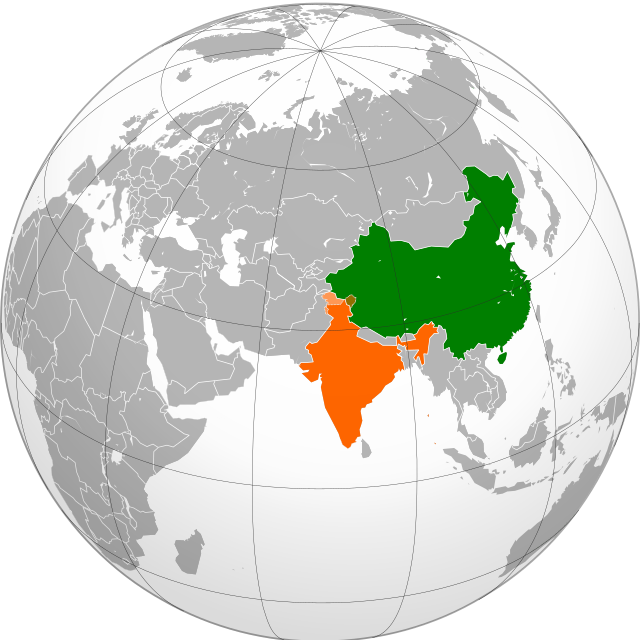
In the context of the recent global geopolitical flux, it would be useful to give a European perspective on the evolving relationship between India and China and its broader implications for Asia’s future. Drawing from recent developments and historical context, this policy brief explores the complexities of their bilateral ties, regional dynamics, and the roles of external actors, including the European Union.
Current State of the Sino-Indian Relationship
Although India and China in 2005, declared that they established a strategic relationship, it is definitely a misnomer to describe their ties as such. Of course, the early 21st century witnessed a surge in strategic partnerships globally—such as the EU-India and EU-China relationships—fuelled by an optimistic era of globalization. The 2005 agreement was a culmination of a process initiated in 1988 with Prime Minister Rajiv Gandhi’s visit to Beijing, following decades of strained relations since the 1962 war. Subsequent bilateral agreements, particularly in the 1990s, aimed, inter alia, to ensure that border issues would not hinder broader cooperation in other domains. This resulted, amongst others, in significant growth in bilateral trade.
Tensions resurfaced from 2013 onward, particularly around the Line of Actual Control (LAC), culminating in the Galwan incident in June 2020, which saw casualties on both sides. In response, India imposed bans on Chinese technology and apps. New Delhi furthermore decided that normal bilateral interaction with China could not resume unless the LAC situation stabilized. It was only in October 2024 that significant political contacts resumed, leading to agreements to stabilize the military situation. Disengagement has occurred along the LAC, but true de-escalation remains pending.
CLICK “VIEW PDF” BELOW FOR ACCESS TO FULL POLICY BRIEF
(Photo credit: Wikimedia Commons )